Why Some Utah Trees Come Back After Stump Grinding
Quick Answer: Stump grinding chews up the visible stump and the roots directly beneath it, but it leaves the rest of the root system in the ground. For species that sprout new stems from buds on their roots, cottonwood, quaking aspen, Siberian elm, willow, and several others common along the Wasatch Front, that leftover root network can keep sending up shoots for years. Full tree root removal takes out the lateral roots and root plate instead of just the stump face, which is why some Salt Lake Valley properties need it in place of, or in addition to, grinding.
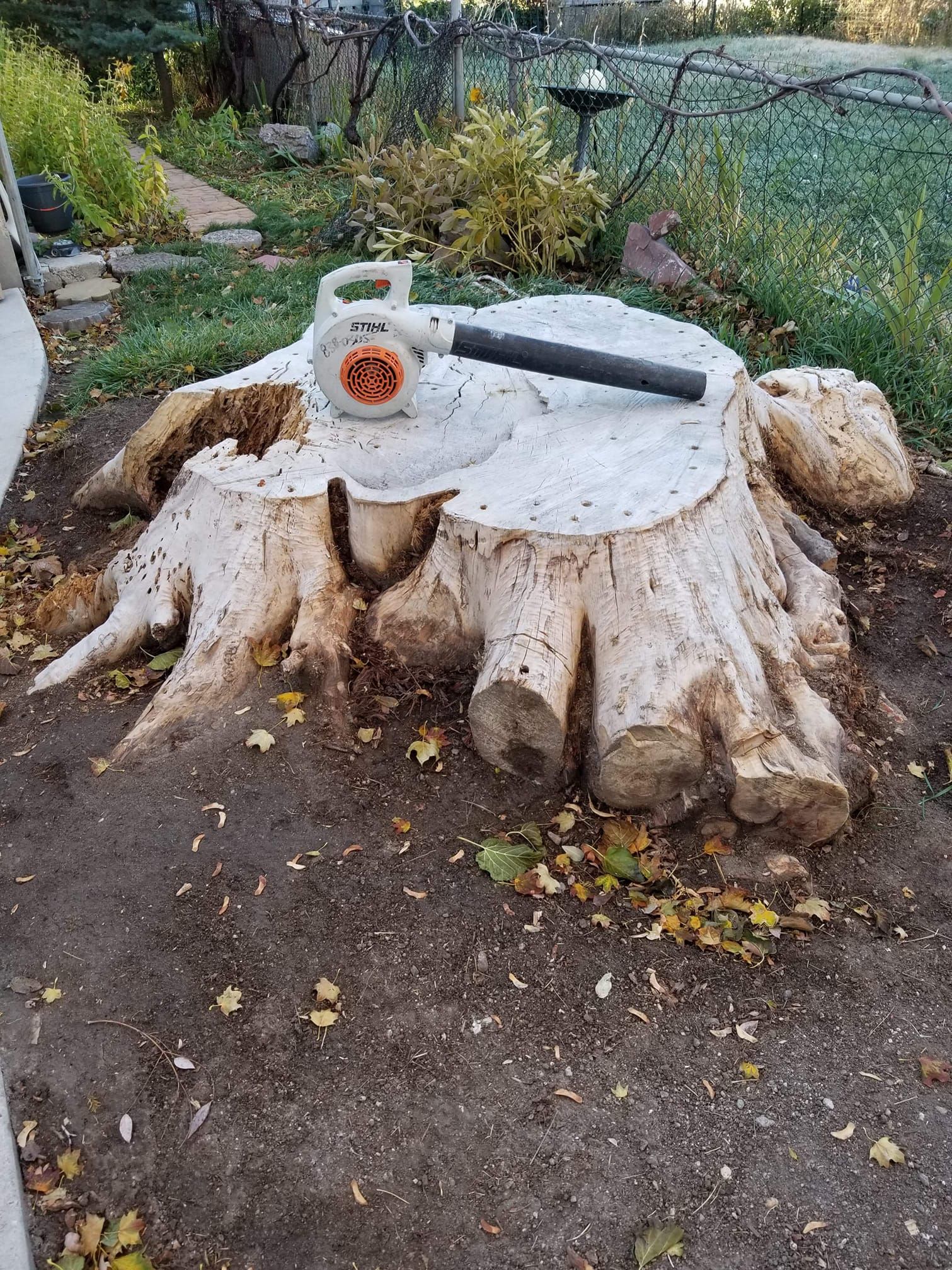
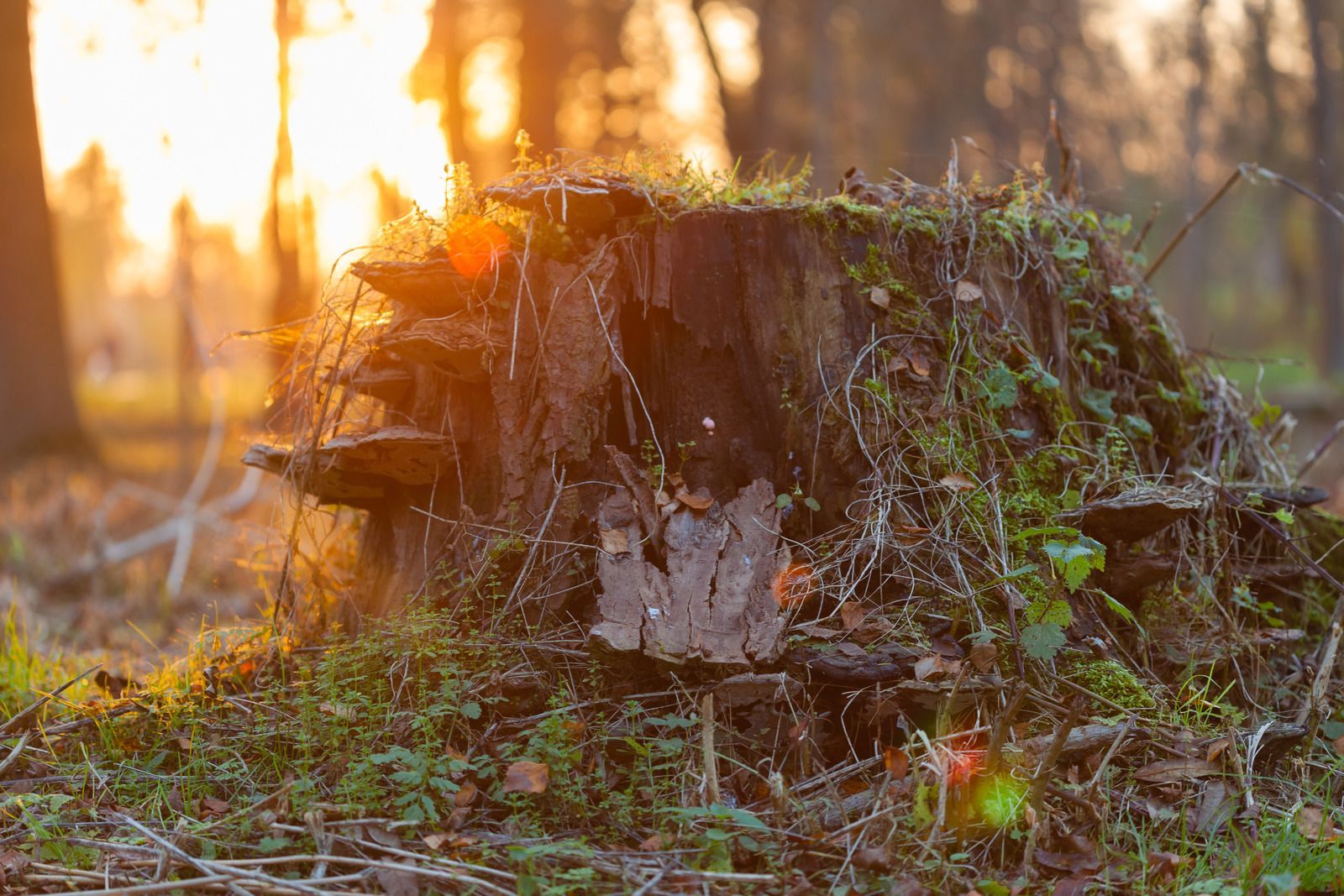
A homeowner in the Salt Lake Valley had a mature cottonwood ground down last spring. By midsummer, thin green shoots had pushed up through the lawn ten feet from where the stump used to sit. Then more appeared near the garden bed. Then a cluster along the fence line. The stump was gone. The tree, in every way that mattered underground, was not.
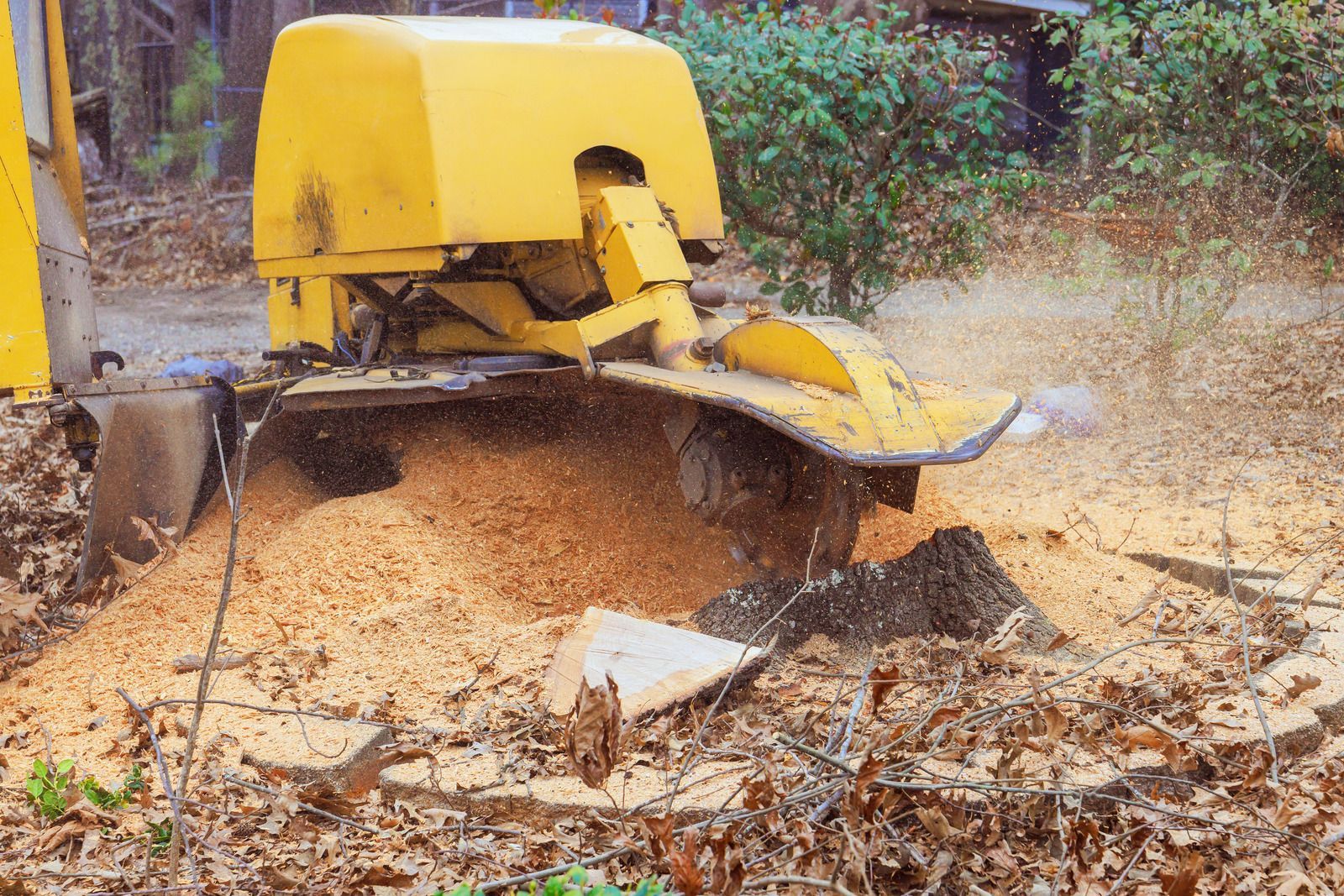
It is one of the more common calls a tree service in this area gets, and it is rarely the homeowner's fault. Grinding does exactly what it is built to do: it turns a stump into wood chips down to a foot or two below grade. What it does not do is touch the roots running out sideways from that stump, sometimes 20 or 30 feet in every direction. For most tree species, that is fine, because a root left in the ground with no trunk attached to it simply decays. For a handful of species that grow all over Salt Lake City, Millcreek, Holladay, Murray, and the rest of the valley, it is the beginning of round two.
Why Grinding the Stump Doesn't Always Finish the Job
A stump grinder is built to eliminate the part of the tree everyone can see and trip over. It is not built to excavate a root system, and it does not need to be, since most trees stop growing once the trunk is gone.
The exception is a trait called root suckering. Some species carry dormant buds along their roots, not just at the base of the trunk. As long as a piece of that root survives with enough stored energy, it can push a new shoot straight up through the soil, sometimes well outside the boundary where the old canopy used to be. County extension offices that field these calls regularly list Siberian elm, honeylocust, black locust, hackberry, cottonwood, aspen, poplar, willow, and boxelder among the species most prone to this. Every one of those grows commonly in older Salt Lake Valley neighborhoods, either planted intentionally decades ago or seeded in on its own.
The Species Most Likely to Send Up New Shoots in Utah Yards
Cottonwood
Utah's classic shade tree has a root system that is both shallow and vigorous, and it produces new stems from adventitious buds that form directly on the roots, a pattern extension offices describe as characteristic of cottonwood wherever an older tree has been cut down. Removing the trunk does not remove the buds sitting a few inches underground throughout the old root zone.
Siberian Elm
Planted widely across the valley decades ago as a fast-growing shade tree, this species is now considered by USU Forestry Extension to be extremely aggressive, and it needs active management or it becomes weedy. Its root system behaves the same way. Left in place, it resprouts readily.
Quaking Aspen
A single aspen in a yard is rarely a single tree underground. Aspens spread through a shared root system, and Utah is home to the most extreme example on Earth: Pando, in the Fishlake National Forest, is a single aspen clone made up of roughly 47,000 genetically identical trunks connected by one root system spreading beneath about 106 acres of hillside. A backyard aspen works on the same principle at a much smaller scale. Grind one trunk and the connected roots nearby can respond by sending up several more.
Willow And Poplar
Close relatives of cottonwood and aspen, with the same tendency to sucker from root tissue once the main trunk is removed.
Tree Of Heaven, Black Locust, Honeylocust, Hackberry, And Boxelder
Frequently volunteer trees rather than planted ones, these show up in fence lines, side yards, and neglected corners of older properties, and they carry the same resprouting habit.
Why Wasatch Front Soil Keeps Roots Close to the Surface
Homeowners often picture roots as a mirror image of the branches overhead, reaching down into the ground about as deep as the canopy reaches up. In practice, most tree roots stay in the top 6 to 24 inches of soil, spreading out two to four times wider than the canopy rather than growing straight down. Roots do not grow toward anything in particular; they simply grow more vigorously wherever oxygen, moisture, and soil conditions happen to favor them.
That matters in the Salt Lake Valley because irrigated lawns, garden beds, and leaking or sweating pipes create exactly those favorable conditions close to the surface. A root network that would otherwise be scattered and modest can become dense and wide-reaching right where sprinkler lines, patios, and foundations already sit. It is one more reason a stump ground down in one spot can still have roots very much alive several yards away.
How Root Removal Differs From Grinding
Tree root removal is a separate process from stump grinding, aimed at the root plate and major lateral roots rather than the stump face. A certified arborist evaluates which species is involved and how far the roots are likely to have spread before deciding how much of the system needs to come out. For a species with no history of suckering, grinding alone is often genuinely enough. For cottonwood, aspen, Siberian elm, and the other species listed above, removing the roots is what actually stops the regrowth cycle rather than managing it season after season.
Tip: Before scheduling stump grinding, it helps to identify the tree species first. A quick species check determines whether grinding alone will finish the job or whether the roots need to come out too, which saves a second visit down the road.
Warning: Because aspens share root systems, cutting or grinding a single stem without addressing the connected roots can trigger new shoots across a much wider area than expected, sometimes throughout an entire yard rather than at the original tree site.
Signs the Roots Are Still Active Underground
A few patterns show up again and again on properties across the valley:
- New shoots appearing at the base of the old stump within the same growing season
- Sprouts coming up in the lawn or garden several feet from where the tree stood
- Thin, whip-like growth along a fence line or property edge where a volunteer tree was once removed
- Continued heaving or cracking near a stump site months after grinding, suggesting the root plate is still shifting
Any of these point to a root system that is still functioning, even with the visible tree long gone.
Frequently Asked Questions
Does stump grinding remove the roots underneath it too?
No. Grinding eliminates the stump and the roots directly beneath it, typically down to a foot or two below grade, but it leaves the lateral roots extending outward from the stump largely intact.
Which Utah trees are most likely to grow back after grinding alone?
Cottonwood, quaking aspen, Siberian elm, willow, poplar, tree of heaven, black locust, honeylocust, hackberry, and boxelder are the species most commonly reported to resprout from surviving root tissue.
How can I tell if roots are still alive underground?
New shoots at the old stump site, sprouts appearing in the lawn well away from where the tree stood, and continued shifting near the old root plate are the clearest signs the root system is still active.
Can one aspen affect my whole yard through its roots?
Yes. Aspens commonly share a single connected root system across what looks like several separate trees, so removing one trunk without addressing the roots can lead to new shoots appearing elsewhere in the yard.
Will removing the roots affect my sprinkler lines?
It can, since root systems often grow densest right where irrigation keeps the soil moist. A site evaluation before work begins identifies where lines run so the removal can work around them.
How soon do root sprouts show up after a tree is removed?
For species prone to suckering, new shoots often appear within the same growing season, sometimes within a few weeks of warm weather following removal.
Knowing the Roots Before Calling the Job Done
The difference between a stump that stays gone and one that keeps sending up shoots almost always comes down to species. A maple or an oak rarely comes back after grinding, since those roots have no way to push out a new stem once the trunk is gone. A cottonwood, an aspen, or a Siberian elm behaves very differently, because the same roots that made those trees so good at surviving Utah's dry valley soil are the ones capable of starting the tree over again from underground.
Utah Stump Grinding LLC
has spent 31
years working with these species throughout Salt Lake City, UT, and that experience shapes how each job gets approached from the start, whether it calls for
grinding, full root removal, or both together. Every tree tells its own story underground, and treating each one that way, rather than running the same equipment over every stump, is what actually keeps the roots from showing up again the following spring.