How Stump Removal Improves Curb Appeal and Increases Property Value
Quick Answer: A tree stump sitting in a front yard reads as an unfinished job to buyers and appraisers, even when the rest of the landscaping looks good. Removing it opens up usable lawn space, lets grass grow evenly across the yard instead of around a dead patch, and removes one of the first things a buyer notices when they pull into the driveway. Landscaping condition alone has been shown to shift perceived home value by several percentage points, and a stump is one of the easiest fixes on that list to actually complete before a sale.
Say your house goes up for sale on a quiet street in Sandy, freshly painted, new mulch beds, a lawn you've mowed every week all summer. Then a buyer pulls into the driveway, and the first thing they see isn't the paint or the mulch. It's a gray, weathered stump sitting off to the side of the yard, ringed by dead grass where nothing's grown back since the tree came down two years ago. That one detail undoes a lot of the work that went into everything else.
Curb appeal isn't really about any single feature. It's about what a buyer's eye catches first, and a stump has a way of catching it before the landscaping gets any credit for the rest.
Why a Stump Undercuts Everything Else in the Yard
A stump sits in the yard as a visible sign that a job never got finished. Even a homeowner who's kept the lawn mowed, the beds edged, and the hedges trimmed loses some of that credit the moment a stump is visible from the street or the driveway. It reads less like "we take care of this property" and more like "we got most of the way there."
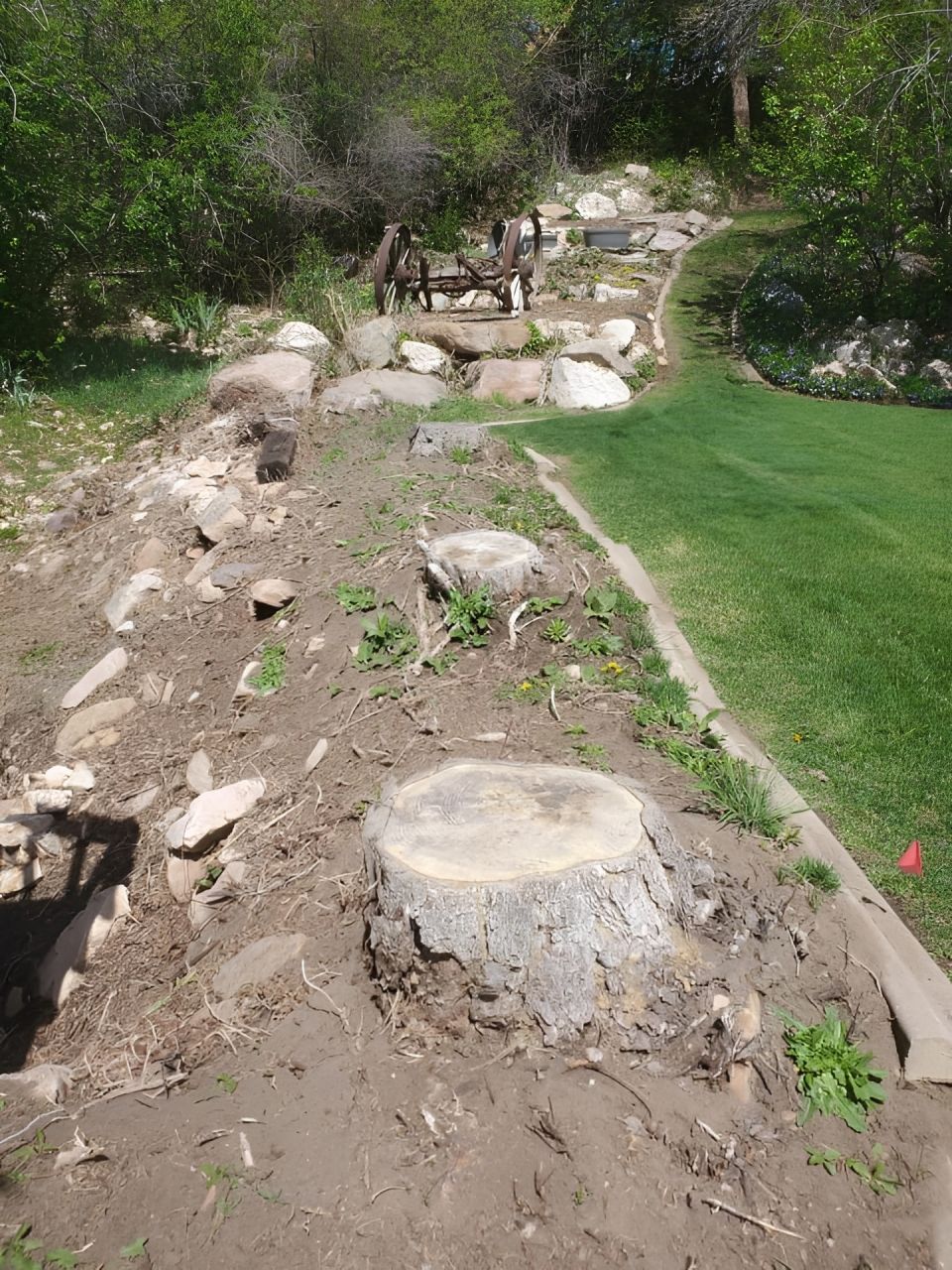
The ground around a stump rarely helps the case either. Grass struggles to grow in the compacted, root-choked soil surrounding an old stump, which usually leaves a bare or patchy ring that stands out against an otherwise even lawn. That patch draws the eye in a way that has nothing to do with how well the rest of the yard is maintained.
There's also the practical side. A stump interrupts mowing lines, forces a landscaper or homeowner to work around it instead of across the lawn in clean passes, and often collects clippings, leaves, and debris that pile up against it over a season. None of that adds up to a single dramatic problem, but curb appeal is built out of a lot of small impressions stacked together, and a stump works against nearly every one of them at once.
What Buyers and Appraisers Actually Notice First
Real estate professionals put real weight on curb appeal for a reason: it's what shapes a buyer's opinion before they've stepped through the front door. Landscaping condition specifically has been shown to shift a home's perceived value, with well-maintained landscaping adding somewhere in the range of 5 to nearly 13 percent to how a property is perceived compared to a similar home with no landscaping investment at all. A stump sitting in the middle of that picture works directly against it.
Real estate agents lean on this too. In one national survey, 97 percent of agents said curb appeal matters to attracting buyers, and 92 percent said sellers should handle landscape cleanup before listing. A stump removal falls squarely into that category: a quick, visible fix worth finishing before a listing goes live, not after a buyer walks the property and spots it themselves.
Appraisers factor in yard condition as part of the overall property assessment,
and while a single stump won't single-handedly move a number on an appraisal report, it's part of the broader landscaping and lot-condition picture that does get weighed. A well-kept, obstruction-free yard supports the rest of the home's presentation. A yard with a visible stump, dead patch, and debris pile works against it.
Tip: If you're preparing to list a property, handle stump removal early enough that grass has time to fill back in before showings start. A freshly ground stump still leaves disturbed soil behind, and that area needs a few weeks with proper seeding and water to blend back into the rest of the lawn.
The Return on a Relatively Small Fix
Compared to most curb appeal projects, stump removal is a small investment with an outsized visual payoff. Basic lawn care has been estimated to return over 200 percent of its cost at resale, and general landscape upkeep isn't far behind, well above what most interior remodeling projects return. The reason is simple: the cost of the work is low relative to how much it changes a buyer's first impression. Removing a stump doesn't mean redesigning a yard or planting anything new. It just clears an obstruction that's been working against the property the whole time it sat there.
A mature shade tree, when it was still standing, may have added real value to a property. Estimates on that added value run anywhere from roughly $1,000 to $10,000 depending on the tree's size, species, and placement. Once that tree comes down, though, the stump left behind doesn't carry any of that value forward. It just occupies space and holds back what the yard could otherwise contribute to the property's overall impression.
Reclaiming the Space a Stump Takes Up
Beyond the visual impact, a stump takes up ground that could otherwise be doing something for the property. A yard with a stump removed and the area leveled and reseeded gains usable square footage, whether that space ends up as open lawn, a garden bed, a patio extension, or simply room for kids or pets to move through without an obstacle in the way.
That reclaimed space matters more in smaller or narrower yards, where a stump sitting in the wrong spot can block an obvious path between the house and a fence line, or sit right where a buyer would picture a patio, a swing set, or a garden. In a larger yard, a stump tucked in a back corner might not carry the same weight. Near the front of the property or anywhere visible from the street, it almost always does.
What Full Removal Looks Like Versus Just Grinding
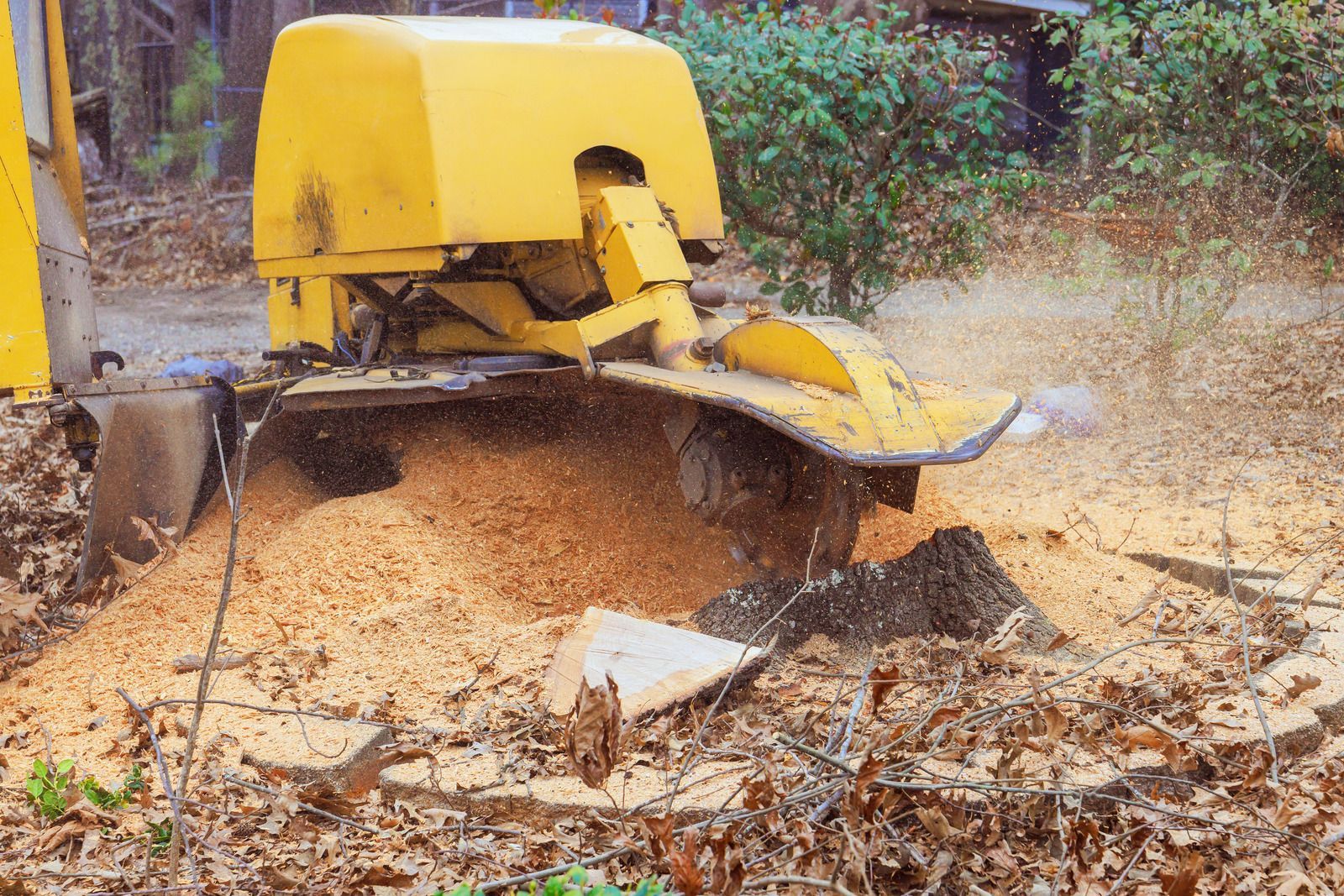
Stump grinding removes the visible portion of the stump below grade, typically far enough down that mowing and light landscaping aren't affected. Full stump removal takes the process further, pulling the root ball itself, which matters most when the plan for that spot involves new plantings, a structure, or hardscaping where roots underground would otherwise get in the way.
For a straightforward curb appeal improvement ahead of a sale, grinding below grade and reseeding the area is usually enough to eliminate the visual and practical problems a stump creates. Full removal becomes worth the extra step when the space needs to support something with its own root system or foundation going in afterward.
Warning: Don't assume a ground-down stump is done the moment the wood chips are cleared. Roots left in the ground can continue sending up new sprouts for a season or more if the stump wasn't ground deeply enough or treated properly, and new growth around what should be a clean, level patch of lawn undoes a lot of the curb appeal benefit the removal was supposed to deliver.
Frequently Asked Questions
Does removing a stump really affect how much a home sells for?
It's one factor among many, not a single number that shows up on its own line in a sale price. But landscaping condition, including the absence of obstructions like stumps, feeds into the broader curb appeal impression that shapes what buyers are willing to offer, and it's one of the easier fixes to complete before listing.
How long before the yard looks normal again after a stump is ground down?
With proper soil leveling and reseeding, most areas fill back in within a few weeks to a couple of months, depending on the season and how large the stump was. Grinding in spring or early fall, when grass establishes fastest, tends to close the gap quicker than a summer or winter job.
Is it worth removing a stump in the backyard if buyers mostly notice the front?
Front-facing stumps carry more weight for a first impression, but backyard stumps still matter during a full walkthrough or a showing where buyers picture how they'd use the outdoor space. A stump in a spot buyers would picture for a patio or play area still works against the property.
Can I just leave the stump and let it decay naturally instead of paying for removal?
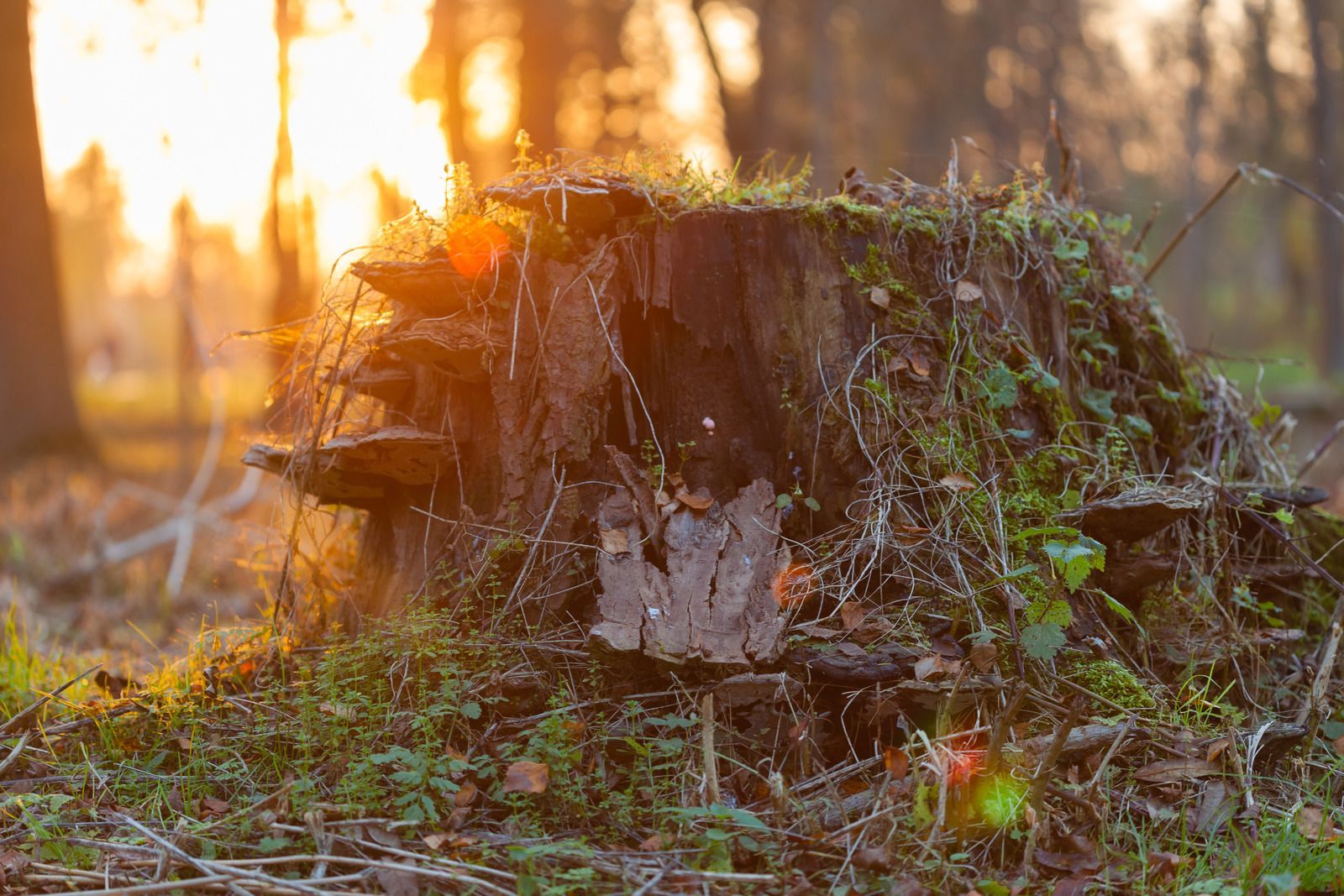
Natural decomposition can take anywhere from several years to over a decade depending on the tree species and size, and during that time the stump continues to be a visual obstruction, a tripping hazard, and a potential home for pests. It's rarely a practical option for anyone planning to sell or improve curb appeal in a reasonable timeframe.
Does stump removal make sense even if I'm not selling soon?
Yes. Curb appeal isn't only about resale. A cleared, usable yard is simply more functional day to day, and handling the removal before roots and regrowth become more established is easier than waiting until the stump has been sitting for years.
A Cleaner Yard Adds Lasting Property Value
Removing an old stump gives the yard a cleaner, more finished appearance while restoring space that can be used for grass, landscaping, or everyday activities. In Salt Lake City, UT, Utah Stump Grinding LLC brings 31 years of experience to stump removal projects where appearance and functionality both matter. Once the stump is gone and the ground is properly leveled, the surrounding landscape can recover naturally, creating a more consistent lawn that feels intentionally maintained from one area to the next.
For homeowners thinking about future resale, small exterior improvements can shape how the entire property is perceived. A clear, obstruction-free yard supports stronger curb appeal without requiring a major landscape renovation.
Stump removal
eliminates an unfinished feature, simplifies ongoing lawn maintenance, and gives buyers more freedom to imagine how they could use the outdoor space. Whether a sale is approaching or years away, removing an unwanted stump leaves the property looking cared for, functional, and ready for whatever comes next.